
10 reasons, Seriously?!
1 - Landscapes and Outstanding beauty
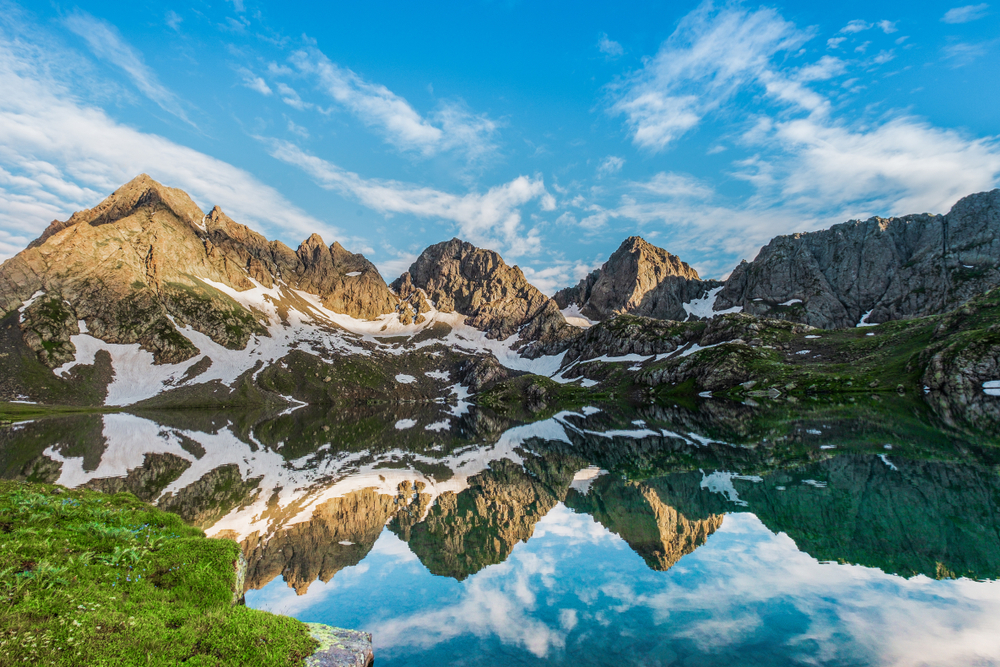
Despite its small size, Georgia has all kinds of landscapes, including deserts, coasts and mountains. The country is a paradise for hiking and camping lovers. You can explore breathtaking lakes, canyons, waterfalls etc. Georgia is one of the most water-rich countries in Europe, based on its total renewable water resources per capital. Within the country, there are around 860 freshwater lakes, more than 26,600 rivers, and 43 artificial reservoirs. Many of these attract tourists as well. Among the artificial reservoirs, Enguri HPP stands out for its arched dam, which is one of the tallest in the world. There are so many rivers in Georgia that their total length exceeds the circumference of the Earth: the total length of all rivers combined in Georgia is 60,000 kilometers, while the length of the equator is 40,075 kilometers.
2 - Food Heaven
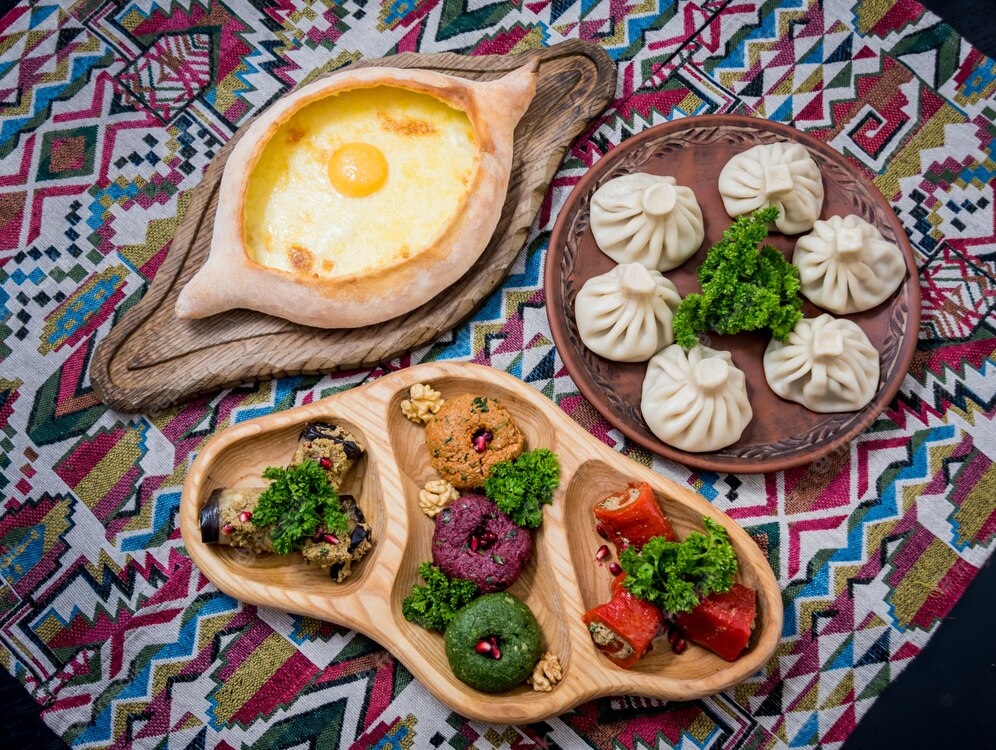
Georgia is a gastronomic country, where the table, cuisine, customs, rituals, creative spirit, and nature are reflected in food as clearly as in art, sculpture, or music.
The botanical map of Georgia has only gotten richer over the centuries, and Georgian farmers have grown all sorts of new things in their homeland. Various cultures have come from foreign lands bringing crops such as beans, corn, rice, tomatoes, and eggplants. Then, the Georgians matched each to their cuisine and tastes, making new recipes that spread from region to region.
Georgia is recognized as the birthplace of grapevines, wheat, and honey. Making wine in clay vessels qvevri has an 8,000 year-old-history and, in 2013, was recognized as a Monument of Intangible Cultural Heritage by UNESCO. Kakhetian churchkhela, made from natural grape juice, wheat flour and walnuts, is a great energy bar variety that is gaining more popularity globally.
Georgian traditional cuisine is a colorful poem made up of all the juicy ingredients provided by a mild climate, cooked with ancestral techniques, from the times when the merchants of the greatest empires
So what is it that makes Georgian cuisine stand out? What kind of flavor does Georgian cuisine have? In the spring, when the gardens, forests, and meadows are draped in green, field greens (Pkhali) – nettles, goosefoot, purslane, savory, kale, ransoms, and smilax – appear in the kitchens. There are many different ways to make Pkhali patties – with oil and walnuts, or just chop them as they are and season with salt and vinegar, or serve them as a soup or a salad.
Amazingly delicious fruits and vegetables come along with summer. Fresh eggplant with walnuts is a delicacy of the Georgian supra and is made year-round. Starting in late summer, every family is making sauces, like sour plum tkemali sauce, spicy ajika, and tomato sauce for the winter.
Every region in Georgia has an impressive dish on the table. There are many flavors to enjoy, but the crown jewel of Georgian cuisine is khachapuri.
Khachapuri is a cheese-filled pastry and nowadays, every region has a different variation. The Meskhetian flaky “chalma khachapuri” is revolutionary, and the boat-shaped Ajarian khachapuri has become extremely popular. The most widespread is Imeretian khachapuri, with delicious squeaky cheese, wrapped up into thin, round dough.
Khachapuri is the heart of Georgia, a fitting metaphor for the warmth of its food and people.
3 - Rich Culture and History
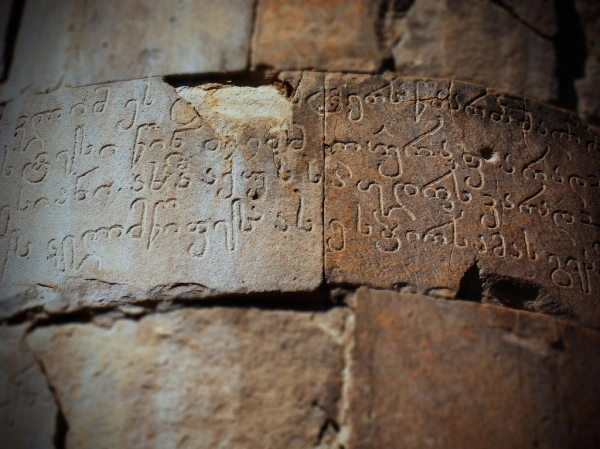
Georgia is a place with a rich history and it has flourished under the rule of several powers. Georgian culture combines small elements of all the cultures that it has come across throughout its existence to create a unique culture. In Georgia, one will find a culture that has been influenced by the Anatolian, European, Persian, Arabian, and other far eastern cultures. This unique cultural mix can be seen in the country’s art, architecture, literature, and even cuisine.
With a history that dates back thousands and thousands of years, it’s no wonder that Georgia is a dream destination for history buffs. With so much to do and see around the country in terms of historical sites, you’ll never run out of places to explore and learn. For a good start in the city of Tbilisi, try the Georgian National Museum, the Open Air Museum of Ethnography, and Stalin’s Underground Printing House Museum (Joseph Stalin was born in Georgia). Other notable historical sites and ancient ruins around the country include the hill monastery of Vardzia, the Nekresi Monastery Complex, the Narikala Fortress, the Gergeti Trinity Church, and the Uplistsikhe cave town.
4 - Mountains
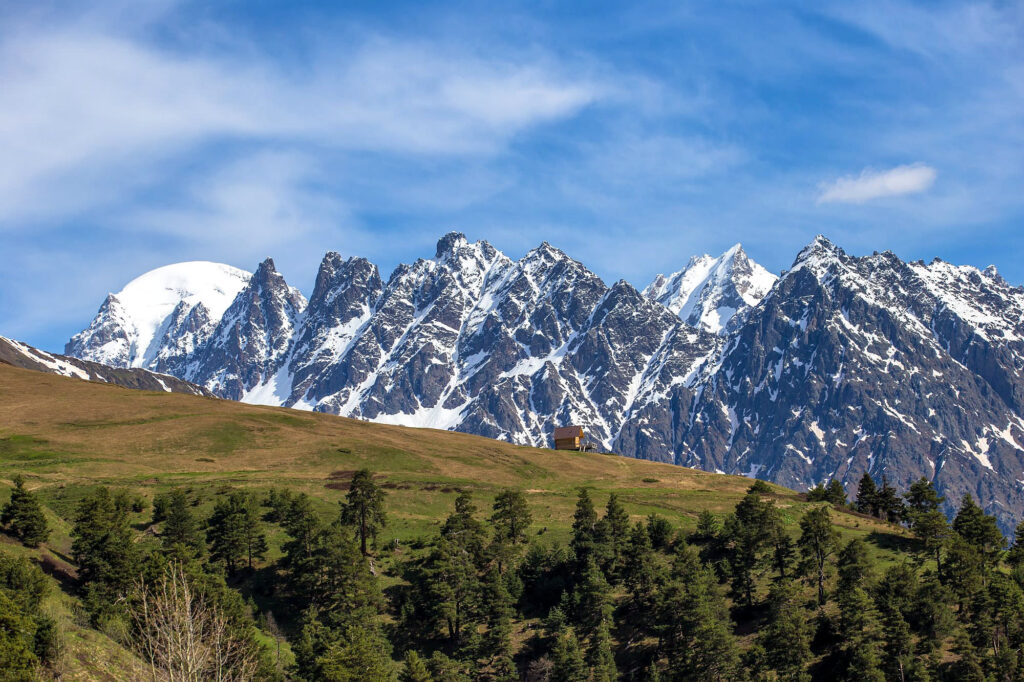
Caucasian mountains and its beauty did not pass by the area where is Georgia located. Especially in the north, which is famous for its ski resorts and will delight extreme lovers with its inaccessible routes. Mesmerizing landscapes from the Caucasian peaks, namely from the mountainous village of Ushguli, contribute to loss of voice at first sight. So if you are a lover of seclusion with nature and listen to the enticing silence, you know where to look. I am sure that after the right decision you have made, each of you, dear friends, will have many more reasons, but not to visit, and return to this beautiful country again. Mount USHBA on the picture
5 - Legendary hospitality
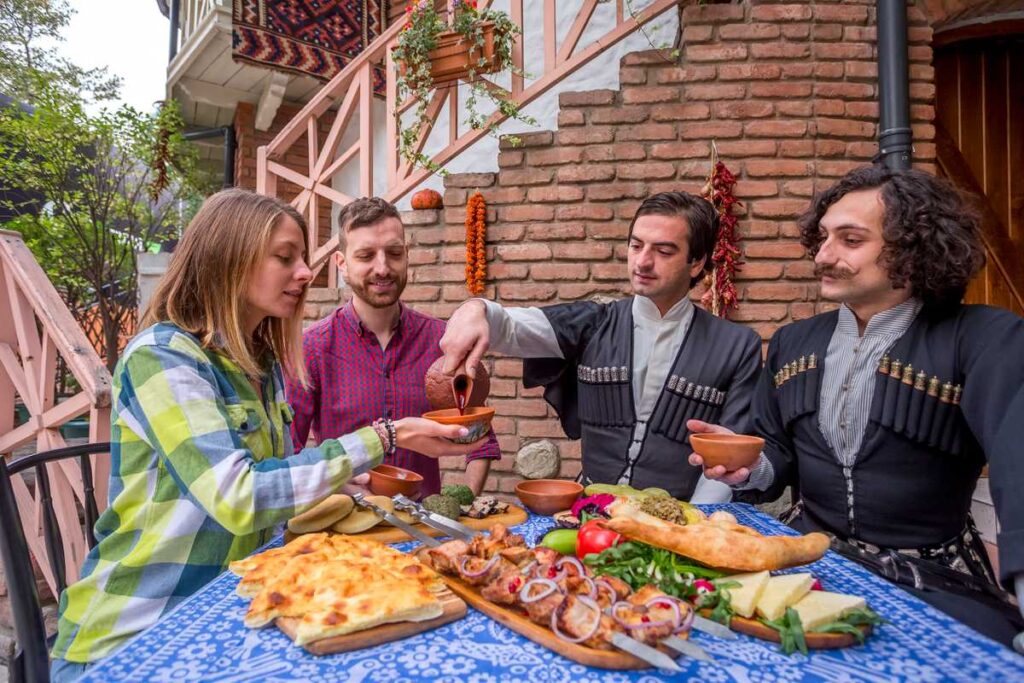
“Every guest is a gift from God”. This Georgian proverb speaks a lot about the hospitality, the country has been knows for many centuries. Over centuries, Georgian people developed traditions of, and a reputation for, generosity and hospitality. This can be experienced throughout the country, home, street, in a village bazaar etc. A guest in a Georgian house has the status of near royalty. Food and drink are offered upwards of every few minutes.
One of the most significant statue in Tbilisi “Mother of Georgia” is a reflection of a spirit of local hospitality. The 25 meter statue overlooks Tbilisi holding a sword in her right hand and a bowl of wine in the other, represents Georgia’s protective and hospitable attitude towards guests.
6 - Georgia-the cradle of wine
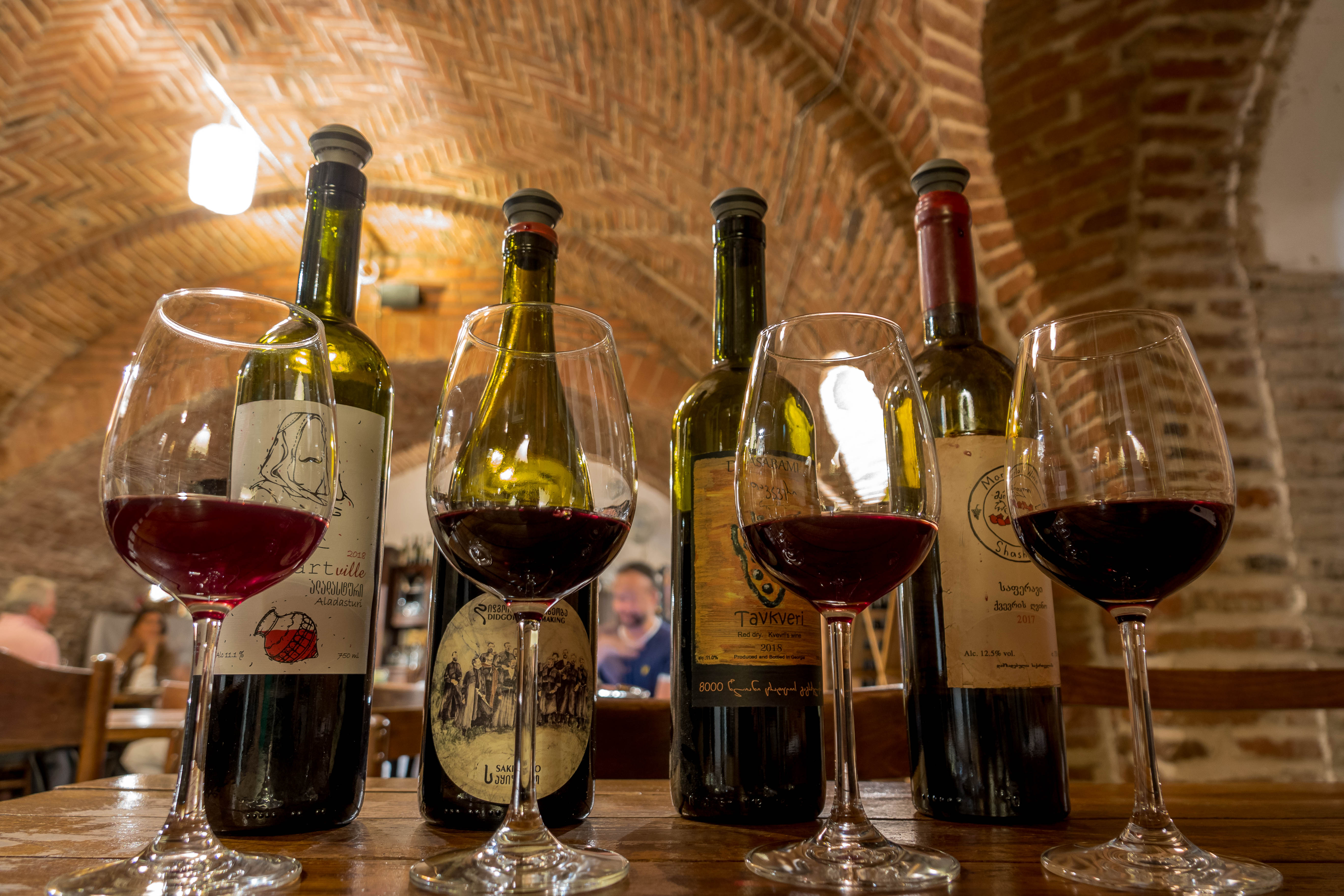
Georgia has long enjoyed its status as the homeland of wine. The world’s oldest places of viticulture and winemaking have been discovered here. The history of wine began during the Neolithic period, which is supported by archaeological evidence. A few decades ago, archeologists found several grape pips of the VI millennium B.C. among the ruins of the settlement of Dangreuli Gora, in the valley close to Marneuli, a town in Kvemo (lower) Kartli, south of Tbilisi, of which the morphological and ampelographical characteristics were identical to those of Vitis Vinifera Sativa. More recently, renewed excavations of Gadachrili Gora settlement uncovered other grape pips of the Neolithic period. In addition to finding wine remains in the ruins of the settlement, archaeologists studied several fragments of clay vessels found there. A chemical analysis of the clay vessels revealed deposits of calcium salts of tartaric (wine) acid. Such deposits of tartaric acid on the internal surface of this clay pottery could only be the result of the
Presence of wine or grape juice. This discovery confirmed that the relationship between human and the vine began from VI millennium B.C. and included not only the first cultural vine, but also the first remains of wine found within the territory of Georgia.
7 - Tbilisi, an eclectic melting pot
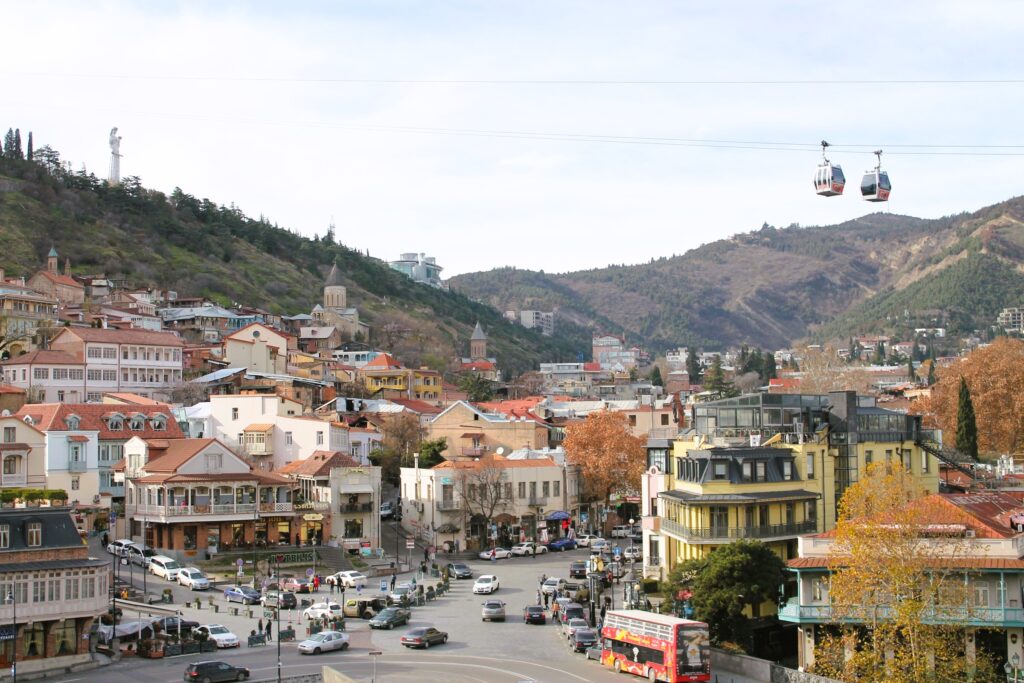
If you are a city explorer and love visiting unique cities across the globe, the capital city of Georgia will mesmerize you in the right way. The eccentric Tbilisi is a melting pot of traditional and modern influences. Tbilisi has a great blend of both old and modern influences. Here you will find some of the coolest cafes in the city, at the same time, the bath district, Abanotubani with sulfur bathhouses will give you a traditional feel.
Overall, Tbilisi is one of the most exciting capital cities for globetrotters. Whether you are a solo traveler, a budget traveler, or a luxury traveler, there is enough space for everything to experience immersive travel in Tbilisi.
The city thrives on its glorious architectural treasures, celebrated food culture, and emerging modernism alongside the traditional lifestyle.
8 - Folklore

Georgia’s rich and still vibrant traditional folklore is considered the earliest polyphonic tradition of the whole Orthodox world. For Georgian people singing has been inextricably part of their life from antiquity to modern era. Throughout time they have sung at home, in the fields during harvest time, at festivals and holidays, and when in mourning. Sources written by the ancient Greek historian Herodotus, even speak about Georgians going into battle with singing…..that was in 480 BC. Georgian Polyphonic Singing is also listed on the representative UNESCO intangible Cultural Heritage of Humanity list which aims to ensure better protection of important cultural heritages worldwide like oral traditions, performing arts, local knowledge, and traditional skills and brings about awareness of their significance. Did you know that in 1977 a Georgian song was sent into space ? The traditional folk song Chakrulo was performed live by Georgians in the polyphonic style and has since left the earth to travel around the solar system in the Voyager-2 satellite.
9 - Budget Friendly

From the generous visa-free policy to the low cost of food, there’s no two ways about it: Georgia is a very budget-friendly tourist destination. Prices are low by European standards and at the same time the service is high. With so much to offer travelers, the fact that your overall trip to Georgia cost can be incredibly low makes it a very appealing travel option.
10 - Safety

In addition to ancient culture and stunning nature, Georgia stands out with its safe environment and low criminal activity. It significantly advanced in the international crime rate rankings by country as a result of the reforms from 2012-2021. According to world leading rating platform NUMBEO, Georgia ranks 4th among 133 countries and 1st in Europe as the safest country to live in. In the 2019 ranking of the safest countries, Georgia took 6th place.